Seagulls (Laridae)

Family (Latin)
Laridae

Seagulls, are seabirds of the family Laridae in the suborder Lari. They are most closely related to the terns (family Sternidae) and only distantly related to auks, skimmers, and more distantly to the waders.
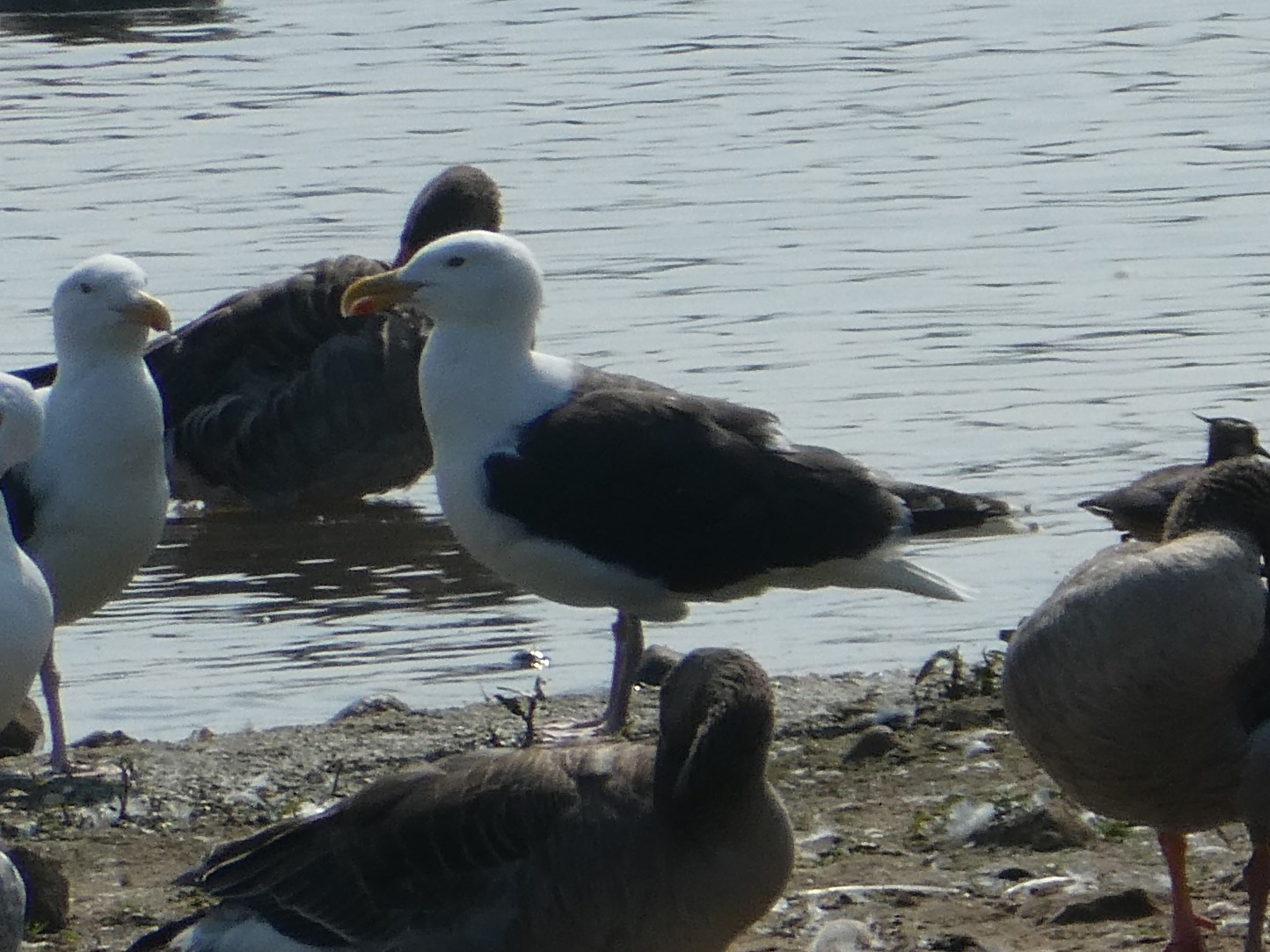
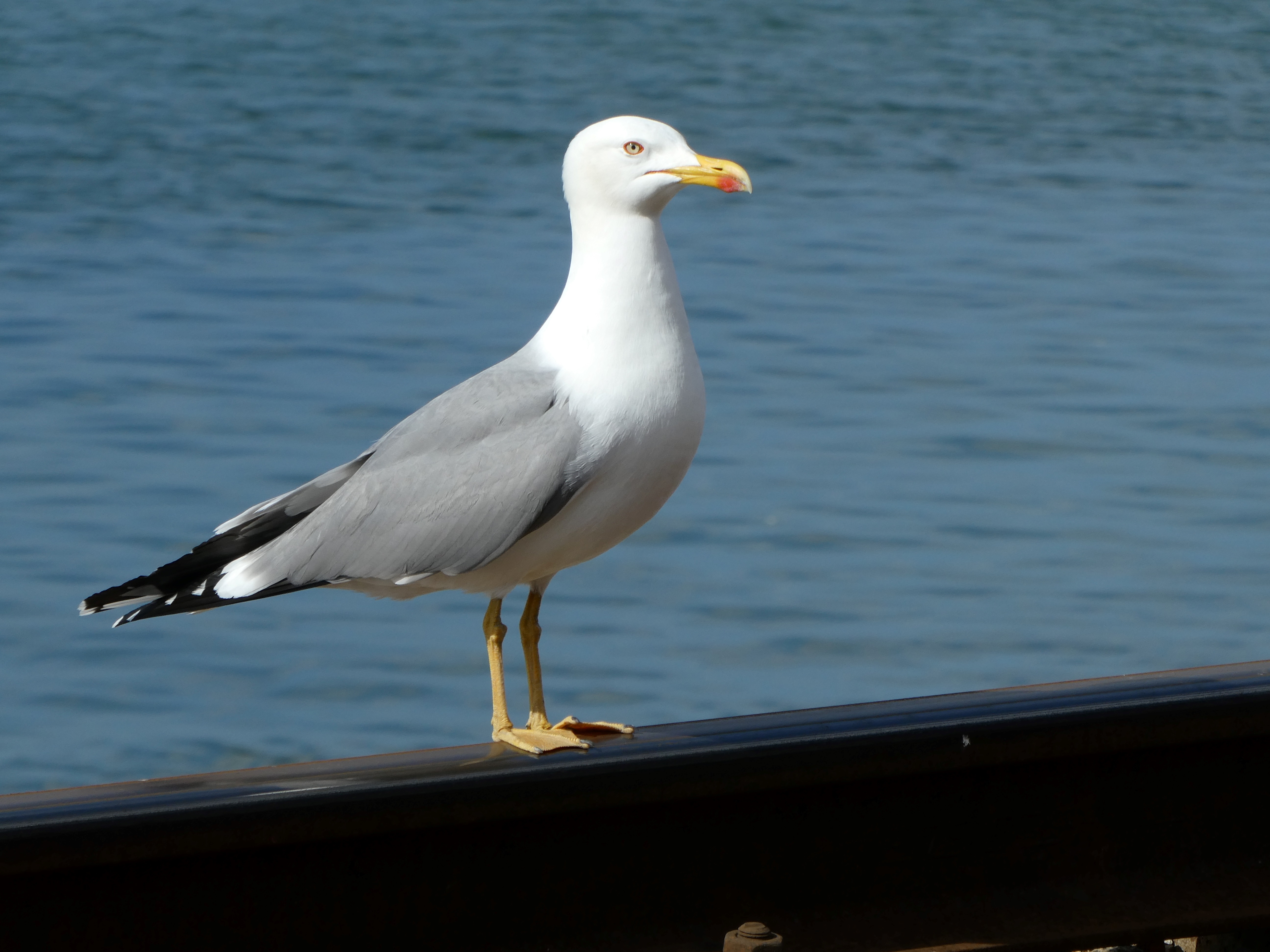
Larus michahellis

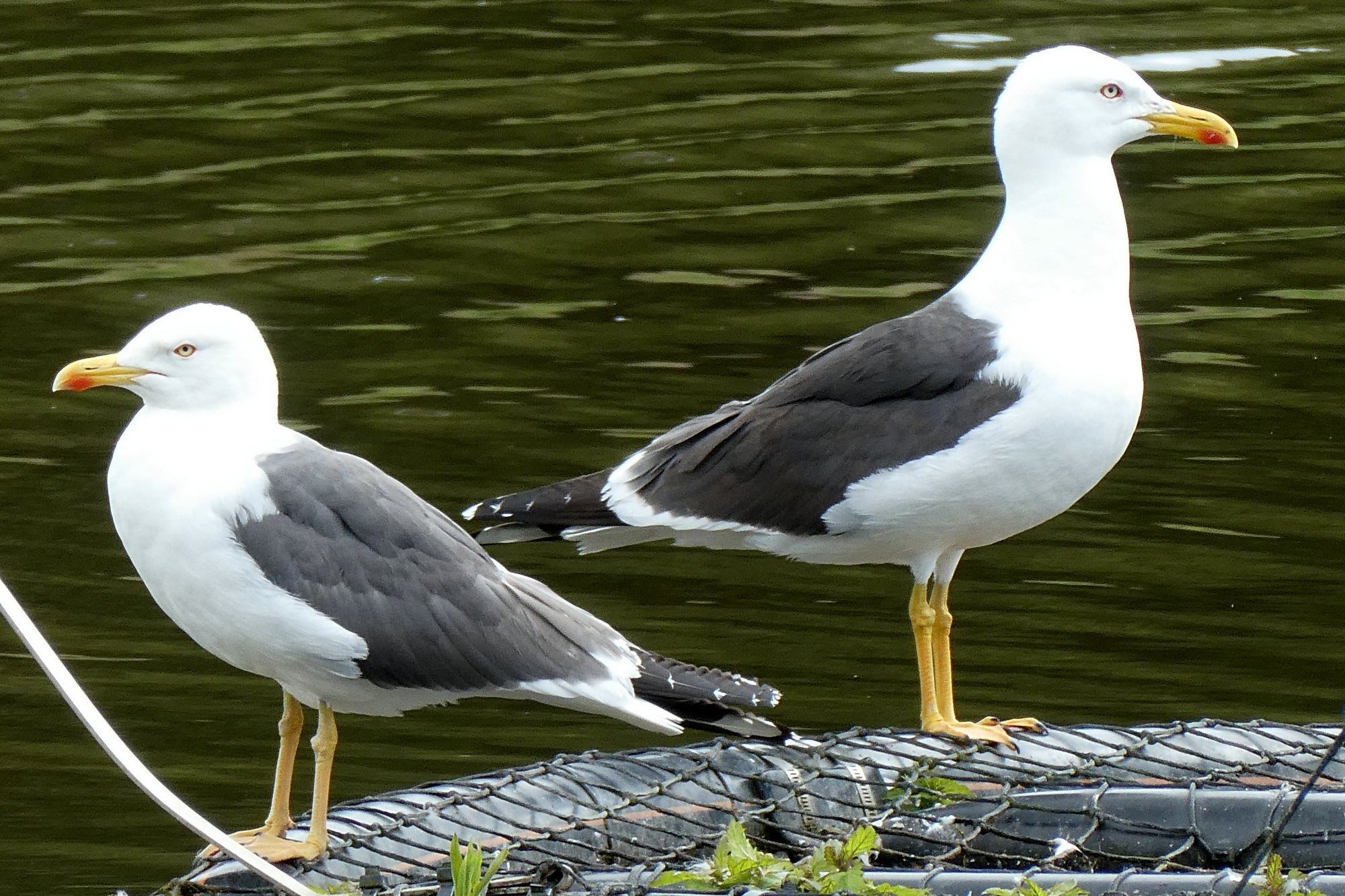
A common gull around the mediterranean. Adults are externally similar to herring gulls but have yellow legs. They have a grey back, slightly darker than herring gulls but lighter than lesser black-backed gulls. They are much whiter-headed in autumn, and have more extensively black wing tips with few white spots, just as lesser black-backed. They have a red spot on the bill as adults, like the entire complex. There is a red ring around the eye like in the lesser black-backed gull but unlike in the herring gull which has a dark yellow ring.

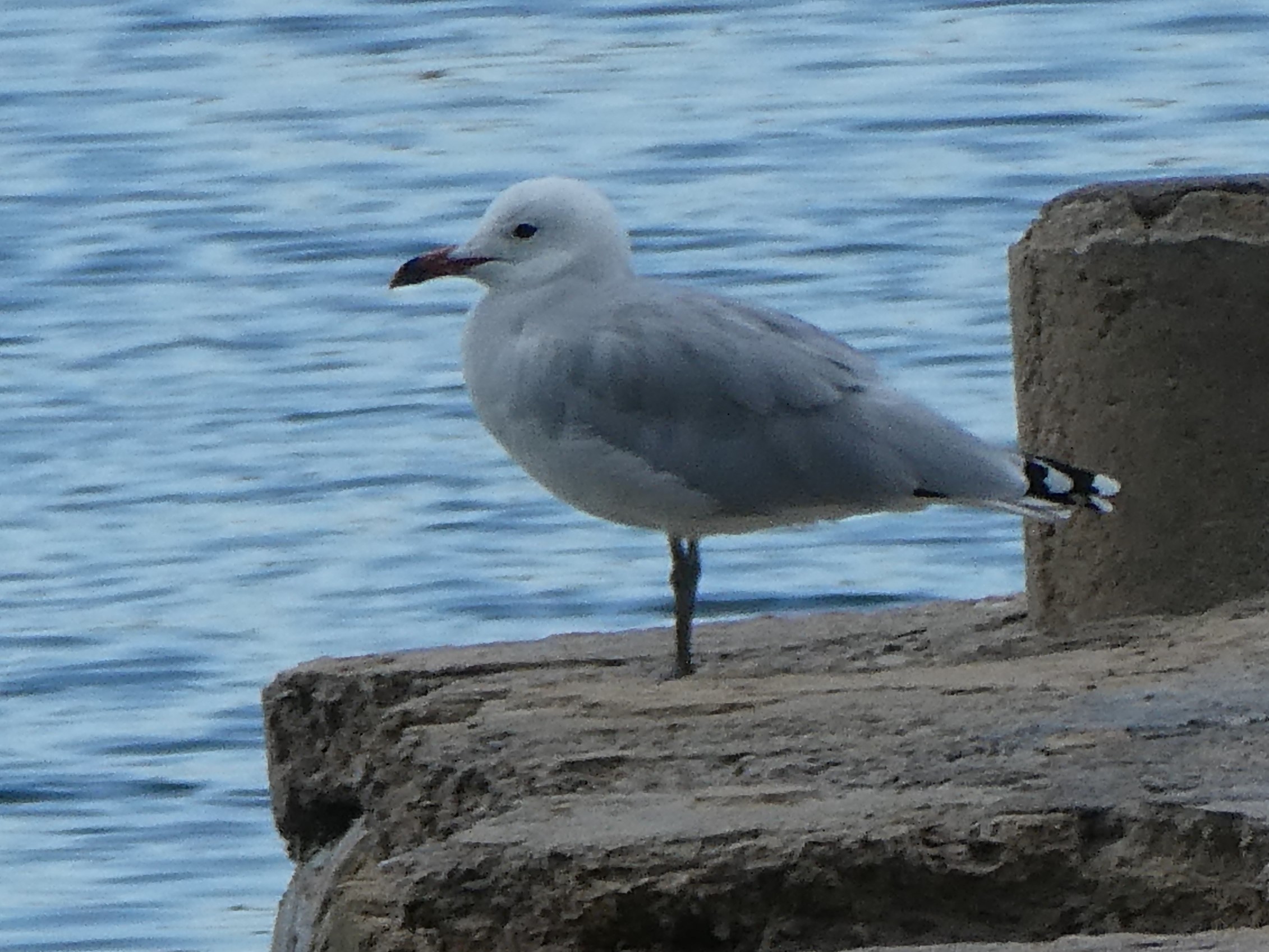
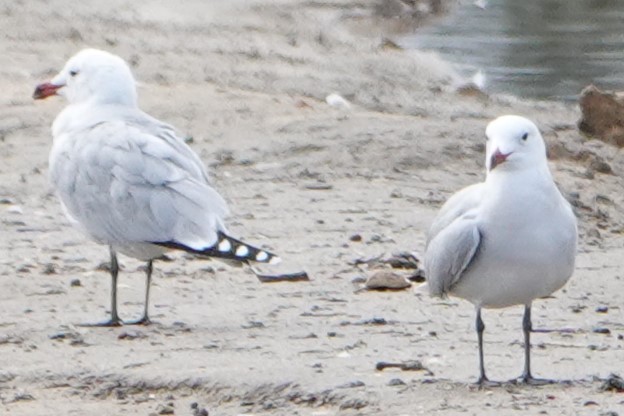
Ichthyaetus audouinii
Larus canus

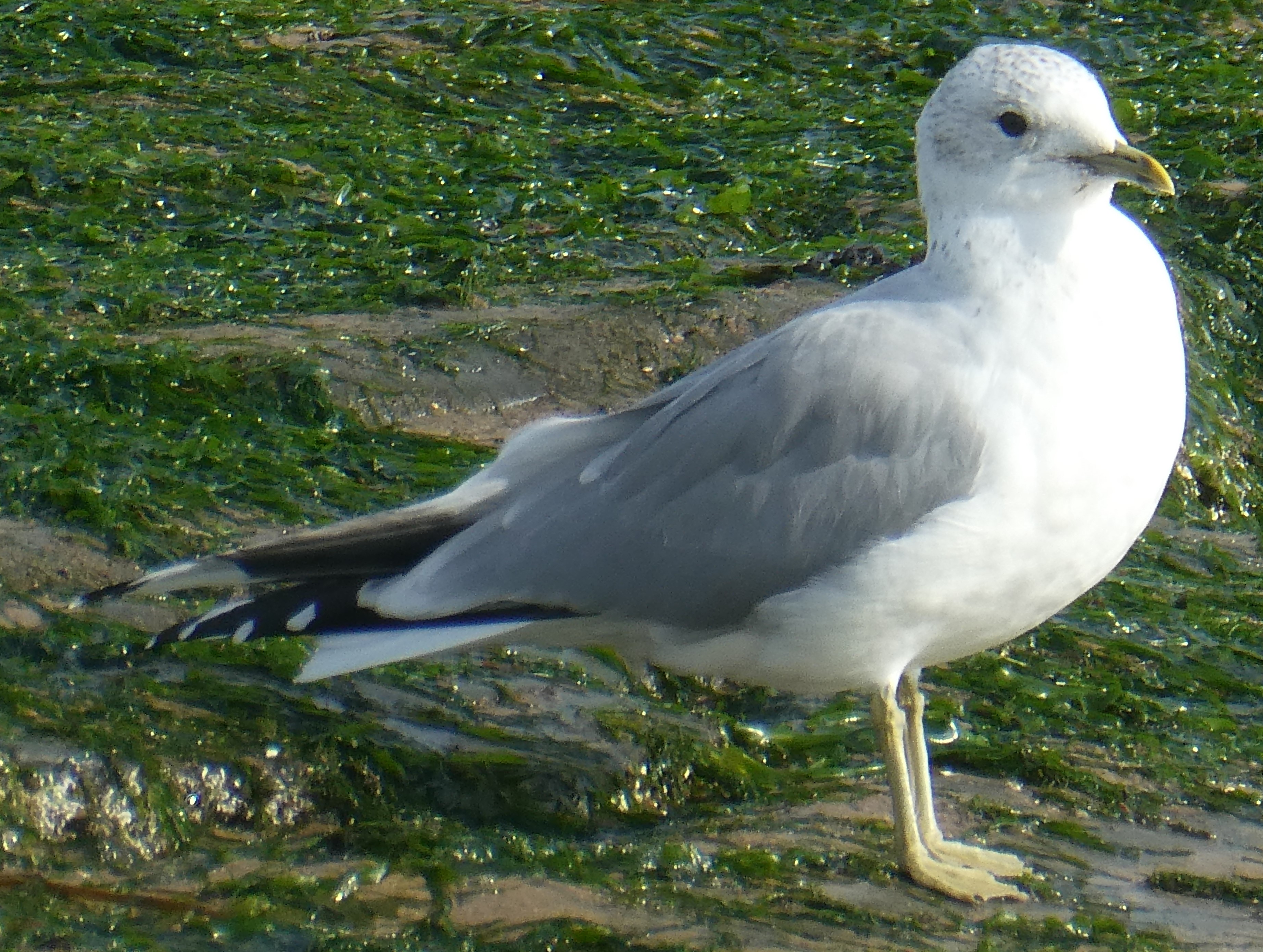
The common gull is a small version of the herring gull, with greenish legs and a yellow bill. Despite its name, it is not as common as the herring gull.

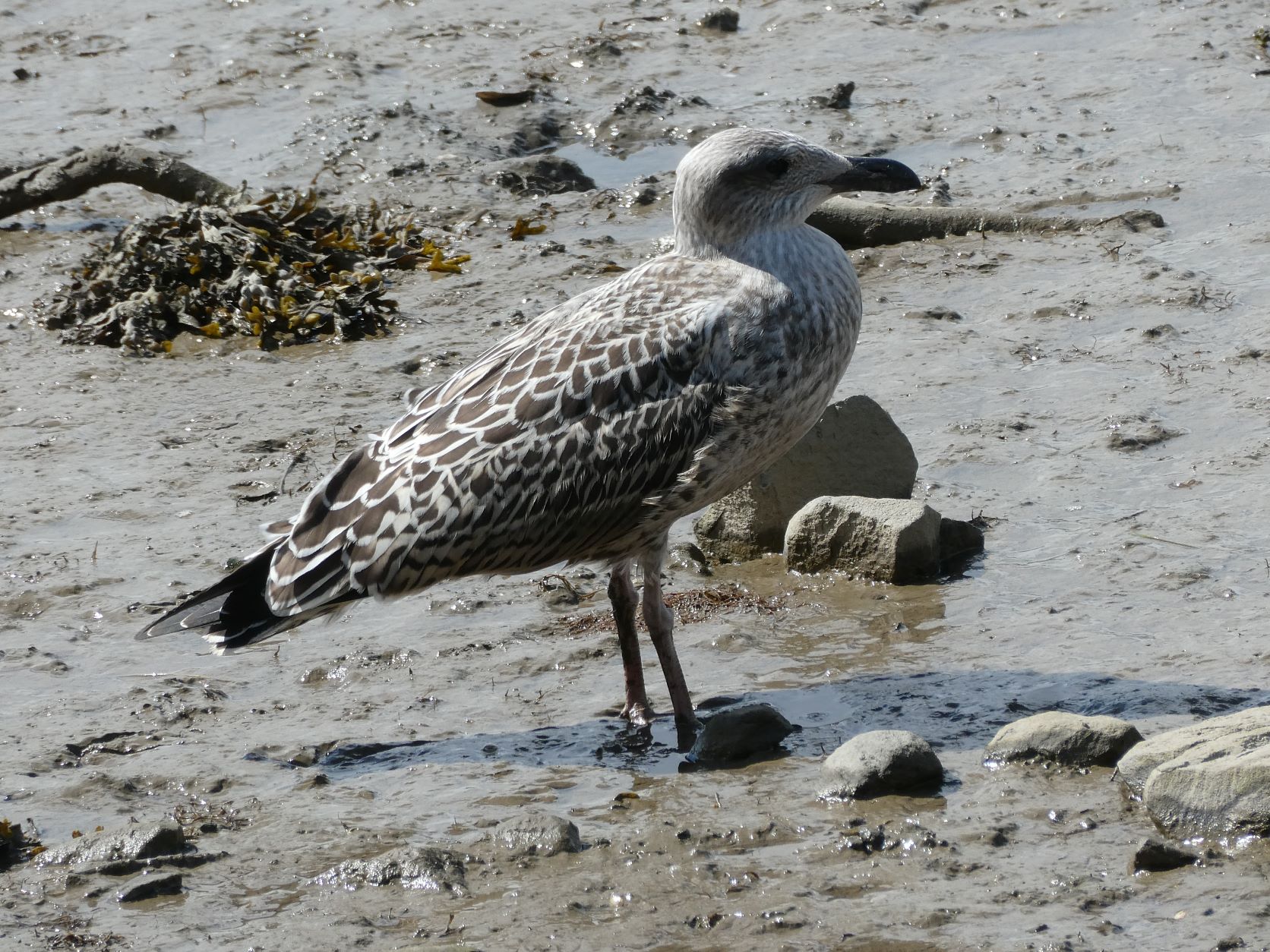
Larus argentatus

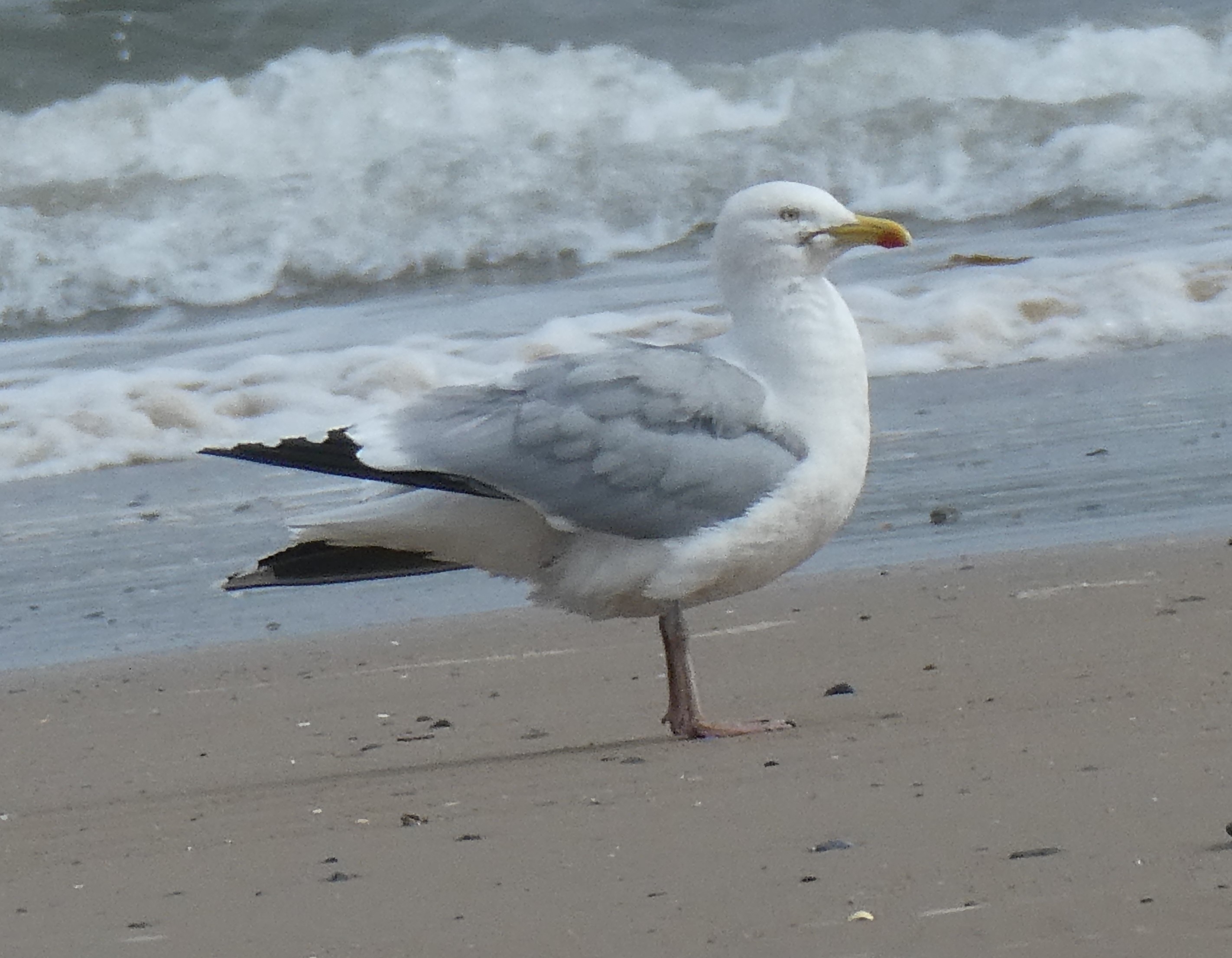
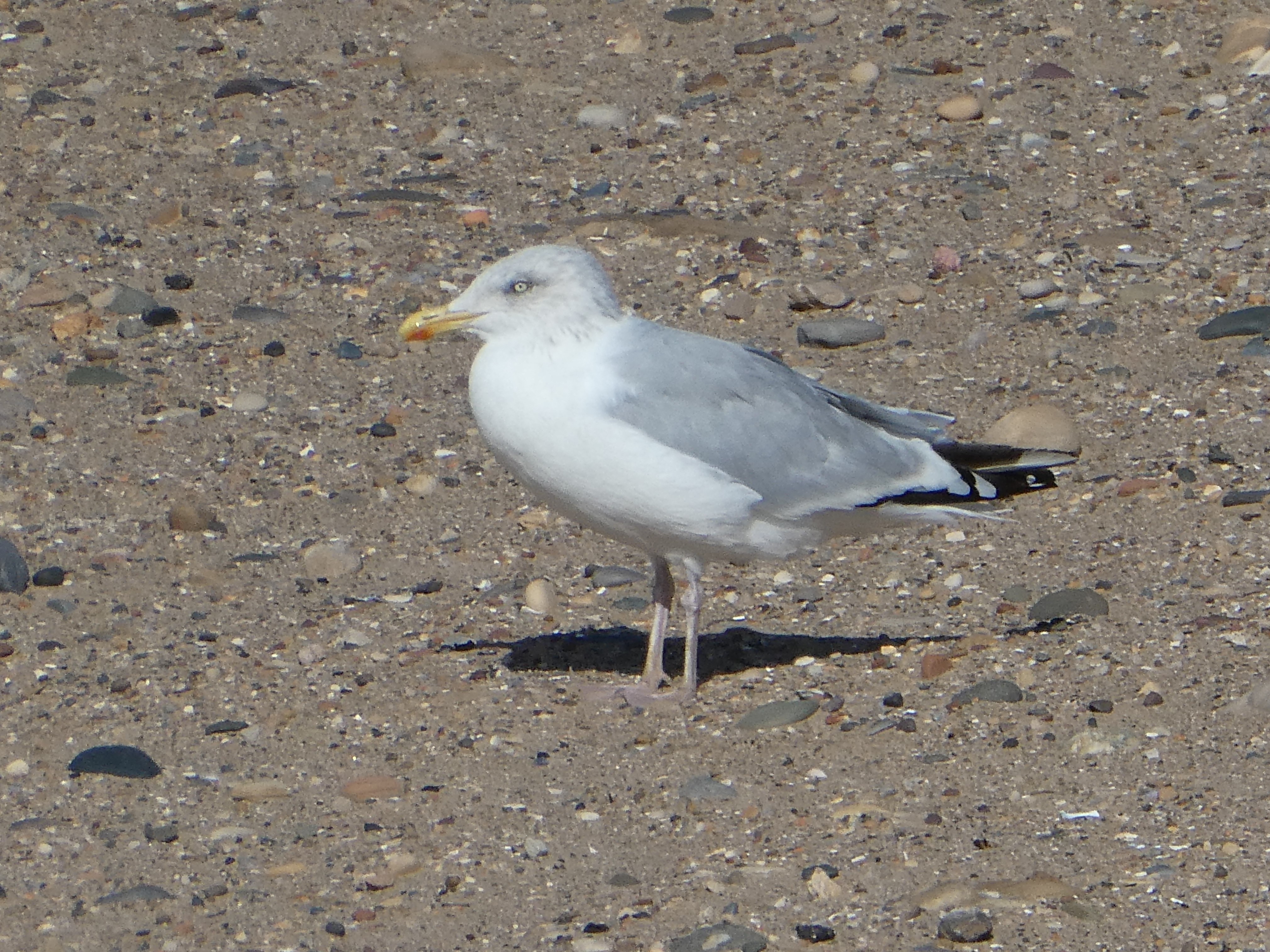
A large seagull common around the coasts of Europe

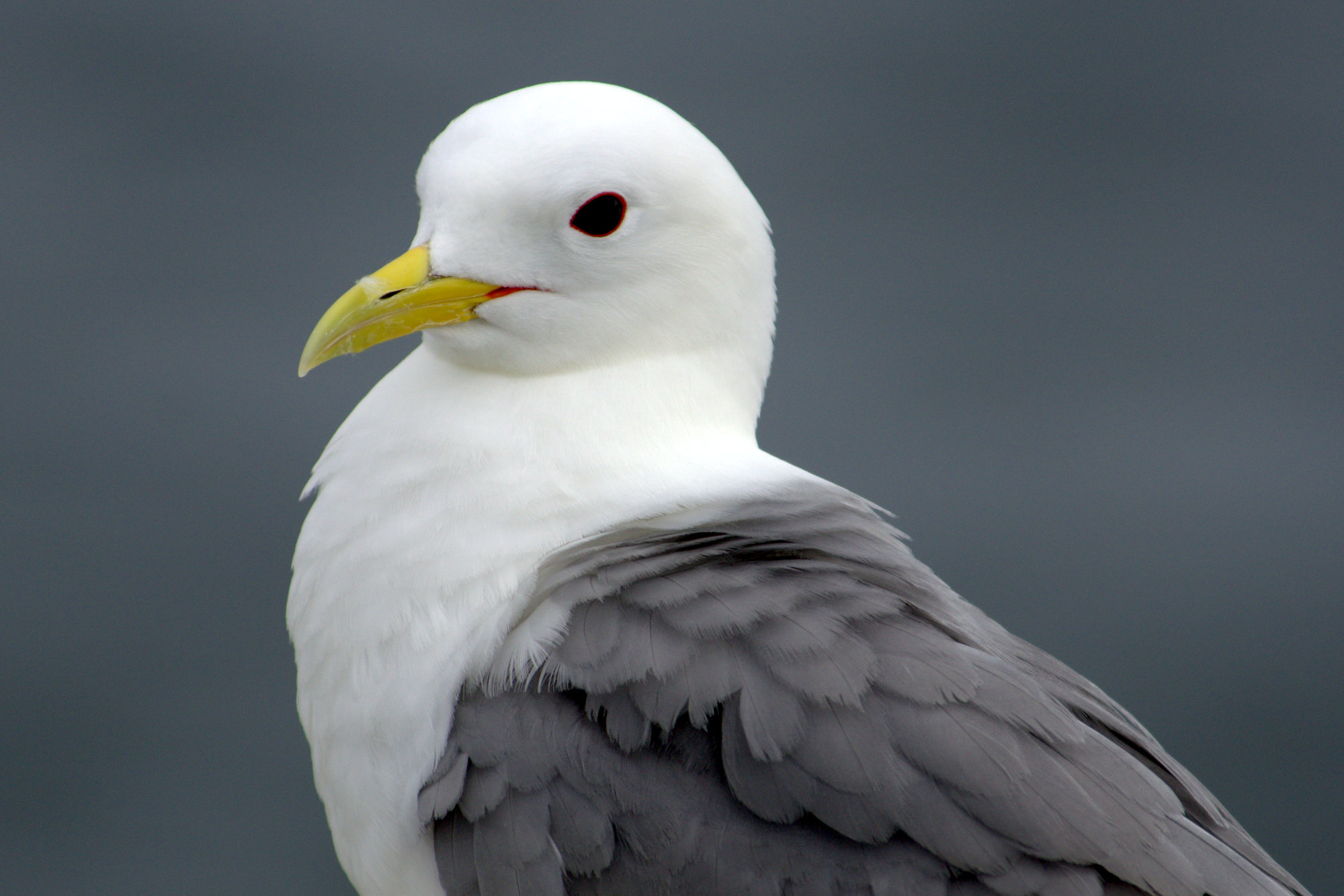
Rissa tridactyla

The adult is 37–41 cm (15–16 in) in length with a wingspan of 91–105 cm (36–41 in) and a body mass of 305–525 g (10.8–18.5 oz). It has a white head and body, grey back, grey wings tipped solid black, black legs and a yellow bill. Occasional individuals have pinky-grey to reddish legs, inviting confusion with red-legged kittiwake. In winter, this species acquires a dark grey smudge behind the eye and a grey hind-neck collar.

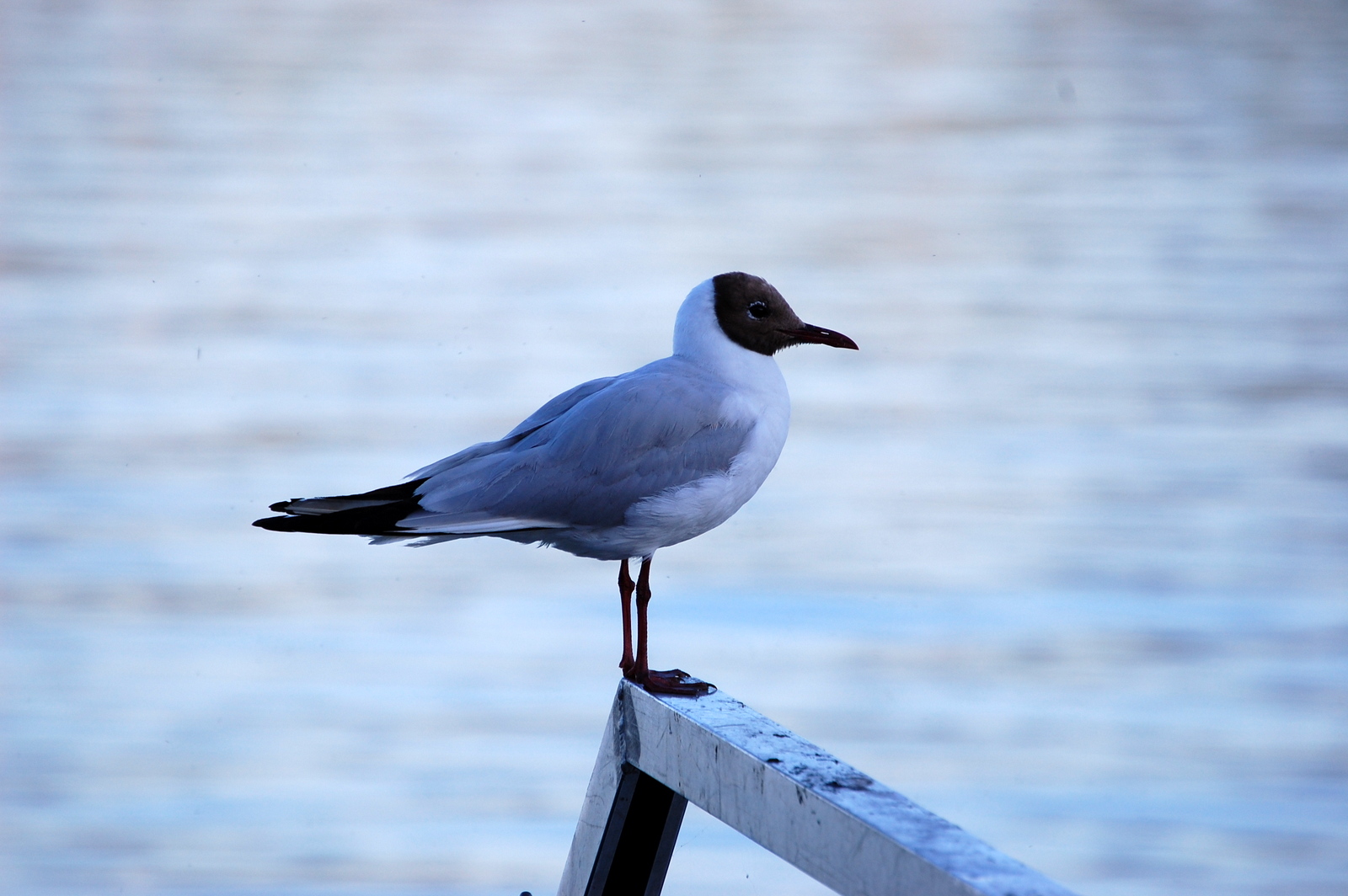
Chroicocephalus ridibundus

This gull is 38–44 cm long with a 94–105 cm wingspan. In flight, the white leading edge to the wing is a good field mark. The summer adult has a chocolate-brown head (not black, although does look black from a distance), pale grey body, black tips to the primary wing feathers, and red bill and legs. The hood is lost in winter, leaving just 2 dark spots. Immature birds have a mottled pattern of brown spots over most of the body. It breeds in colonies in large reed beds or marshes, or on islands in lakes, nesting on the ground.